- Panipat, Haryana
- GST NO. : 06AAFCJ8098P1ZN
- View Mobile Number


Posted by Admin on August, 26, 2026
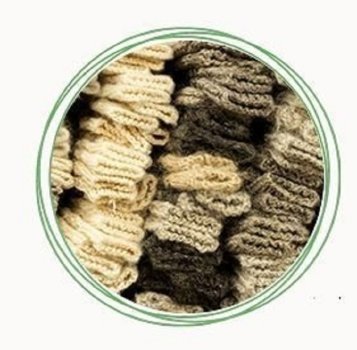
The textile industry is increasingly moving toward sustainable production methods that reduce waste, conserve resources, and extend the life of valuable materials. Recycled wool is an important part of this transition because it allows wool fibres and textile waste to be recovered and transformed into useful new materials. Recycled Wool Fabric provides manufacturers with an opportunity to incorporate recycled fibres into textile products while supporting more responsible resource management.
What Is Recycled Wool?
Recycled wool is produced by recovering wool from pre-consumer or post-consumer textile waste. Discarded wool garments, fabric scraps, and manufacturing waste can be collected, sorted, processed, and converted into fibres suitable for creating new textile materials.
Instead of sending usable wool waste to landfills, recycling gives these fibres another purpose. The recovered material can then be blended or processed according to the requirements of different textile applications.
Reducing Textile Waste
One of the major advantages of recycled wool is its ability to support waste reduction. Textile manufacturing and garment production generate significant quantities of fabric offcuts and unwanted materials. Recycling these resources helps divert suitable wool waste from disposal.
By converting existing wool materials into new textile products, manufacturers can contribute to a more circular system where resources remain in use for longer rather than following a traditional linear production model.
Conserving Valuable Resources
Producing new textile fibres can require substantial raw materials, energy, and processing resources. Using recycled wool helps make better use of materials that already exist within the supply chain.
Recycled Wool Fabric can therefore support manufacturers looking to reduce their dependence on virgin materials while maintaining the useful characteristics associated with wool-based textiles. This approach can contribute to more resource-efficient textile production.
Supporting Circular Textile Manufacturing
A circular textile industry aims to keep materials and products in circulation for as long as possible. Recycling wool supports this principle by transforming textile waste into useful fibre and fabric materials.
From collecting and sorting waste to processing fibres and manufacturing new products, each stage can help create a more circular supply chain. Businesses adopting recycled materials can also strengthen their sustainability strategies and respond to growing demand for responsible textile solutions.
Applications of Recycled Wool Fabric
Recycled wool can be used in various textile and industrial applications depending on fibre quality, composition, and processing. It may be incorporated into fabrics, apparel, blankets, furnishings, accessories, and other textile products.
The final application depends on factors such as fibre length, colour, blend composition, and required fabric properties. Manufacturers can select suitable recycled wool materials according to their specific production needs.
Choosing a Reliable Recycled Wool Supplier
Product consistency is important when incorporating recycled fibres into commercial textile production. Buyers should evaluate fibre quality, composition, colour consistency, processing standards, and supply capacity before selecting a supplier.
A reliable textile company should also understand the importance of consistent specifications and provide materials suitable for the intended application. Proper quality control can help manufacturers achieve predictable results while increasing the use of recycled materials.
Why Choose Jindal Textile Industries Pvt. Ltd.?
Jindal Textile Industries Pvt. Ltd. is committed to providing quality-focused textile solutions for businesses seeking dependable recycled materials. With attention to product consistency and customer requirements, the company supports manufacturers looking to incorporate Recycled Wool Fabric into their textile applications.
By focusing on responsible material utilization, quality standards, and reliable supply, Jindal Textile Industries Pvt. Ltd. aims to help customers move toward more sustainable textile production. Businesses looking for suitable recycled wool solutions can connect with the company to discuss their requirements and explore appropriate products for their applications.
Search
Category
Recent Posts
- How Recycled Wool Supports a Circular and Sustainable Textile Industry
- Why Mink Blankets Are the Ultimate Winter Comfort Choice
- Why Are People Talking About Recycled Wool All of a Sudden?
- Textile yarn - opportunities for sustainable growth
- Plain mink blankets – A perfect mixture of comfort and luxury


Leave a Comment